 United States
Coil Compatibility Explained: What Fits What Across Major Brands
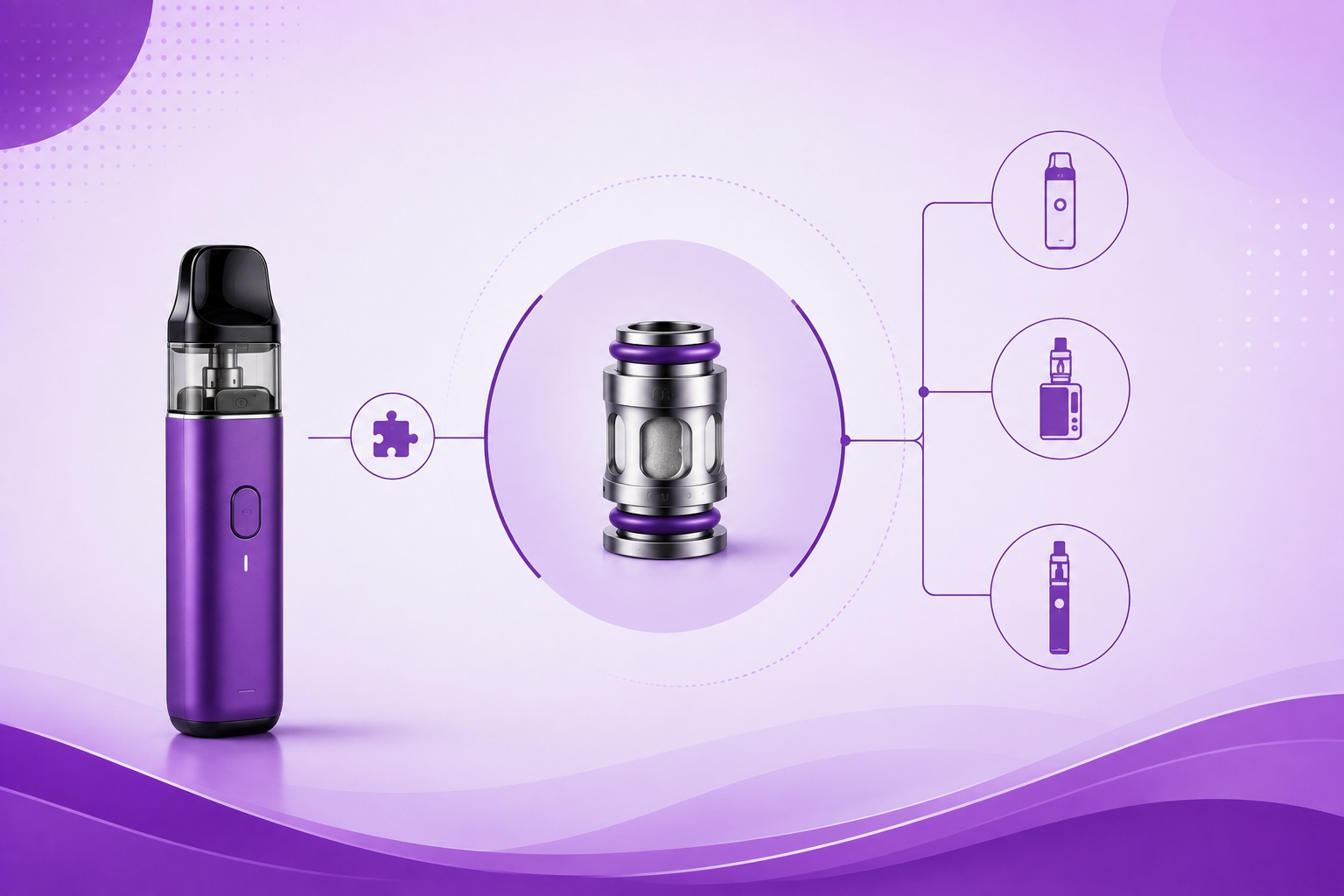
This content is intended for adult vapers of legal purchasing age. Coil compatibility varies by device, tank, pod, and coil series, so always verify the manufacturer's specifications before installing a replacement.
One of the most common questions about replacement coils is simple: "Will this coil fit my device?" Usually, compatibility depends on the exact tank or pod and coil series — not just the brand name.
Even coils from the same manufacturer aren't automatically interchangeable. Here's how coil compatibility works and what to check before buying a replacement.
Why Coils Aren't Universal
Vape coils are engineered to work with specific tanks or pods. Three main factors determine whether a replacement coil will fit and function correctly:
1. Physical fit. The coil's diameter, base shape, seals, and connection point must match the tank or pod housing. Even a small difference can prevent the coil from seating correctly or cause leaking.
2. Electrical contact. The contacts on the coil base need to align with those inside the device. Different coil platforms can use different contact layouts, even when the coils look similar.
3. Supported resistance. The device also needs to support the coil's resistance range. A coil may physically fit a compatible tank, but you should still confirm that the device supports its resistance and recommended operating range.
The General Rule for Coil Compatibility
Within the same coil family: Different resistance options may fit the same compatible tank or pod when the manufacturer specifically supports them. For example, Freemax Fireluke Mesh Replacement Coils belong to the Fireluke coil family, so compatibility depends on whether your specific tank supports that particular Fireluke coil series.
Across product lines from the same brand: Never assume compatibility. A manufacturer may use several different coil platforms across its devices. The SMOK RPM Replacement Coils, for example, are part of SMOK's RPM coil family, but that doesn't mean every SMOK pod or tank accepts RPM coils. Check the exact device and pod or tank before choosing a replacement.
Across different brands: Compatibility is generally uncommon. Brands use their own dimensions, seals, contacts, and coil platforms. GeekVape Z Replacement Coils, for instance, belong to the GeekVape Z coil platform and should only be used with tanks or devices that the manufacturer identifies as compatible.
How to Check Coil Compatibility
Check your exact device and tank or pod model. Brand name alone isn't enough. Two products from the same manufacturer may use completely different replacement coils.
Find the coil series on the packaging. Look for the manufacturer's coil family or series name. Fireluke Mesh, SMOK RPM, and GeekVape Z are examples of coil families that should be matched against the supported tank or device.
Check the manufacturer's compatibility information. Compare the coil series with the official specifications for your tank, pod, or device. This is more reliable than relying on appearance or brand name alone.
Confirm the resistance and recommended wattage. Once you've confirmed that the coil physically fits, check its resistance and recommended operating range against what your device supports.
Be cautious with "universal fit" claims. A replacement coil shouldn't be considered compatible simply because it looks similar. Verify the exact coil series and supported models before buying.
Common Coil Compatibility Mistakes
Matching by resistance alone. Two coils can have the same resistance and still use completely different dimensions or connections. Ohm rating does not determine physical compatibility.
Choosing a coil because it looks similar. Small differences in the base, seals, or contacts can make visually similar coils incompatible.
Assuming everything from one brand fits together. Manufacturers often maintain several coil families at the same time, so always match the coil series to the specific tank or pod.
Assuming newer generations use the same coils. A redesigned tank or pod may introduce a different coil platform even when the product name is similar to the previous generation.
Forcing a coil into place. A compatible coil should seat correctly without excessive force. If it doesn't fit properly, stop and verify the model and coil series.
Quick Reference: What to Check Before Buying a Replacement Coil
| Check | Why |
|---|---|
| Exact device model (not just brand) | Compatibility is model-specific, not brand-wide |
| Coil series code on packaging | Matches coil to the exact pod/tank design |
| Brand's official compatibility chart | Most reliable source, avoids guesswork |
| Resistance range your device supports | Confirms the device can fire it safely and as intended |
| Seller reputation for third-party coils | Reduces risk of poor-fit or low-quality replacements |
Bottom Line
Replacement coil compatibility comes down to three things: the exact tank or pod, the correct coil series, and a resistance range your device supports. Don't choose a coil based only on brand name, resistance, or appearance.
Whether you're replacing Fireluke Mesh, SMOK RPM, GeekVape Z, or another coil family, confirm the manufacturer's compatibility information before installing it. A quick check can help prevent poor contact, leaking, or buying replacement coils that don't fit your setup.
Always follow the manufacturer's guidance for coil resistance, wattage, and device pairing. Using an incompatible coil can lead to poor performance, leaking, connection errors, or damage to the device.