 United States
Nicotine Pouch Hygiene: The Complete 2026 Guide to Using Pouches Safely
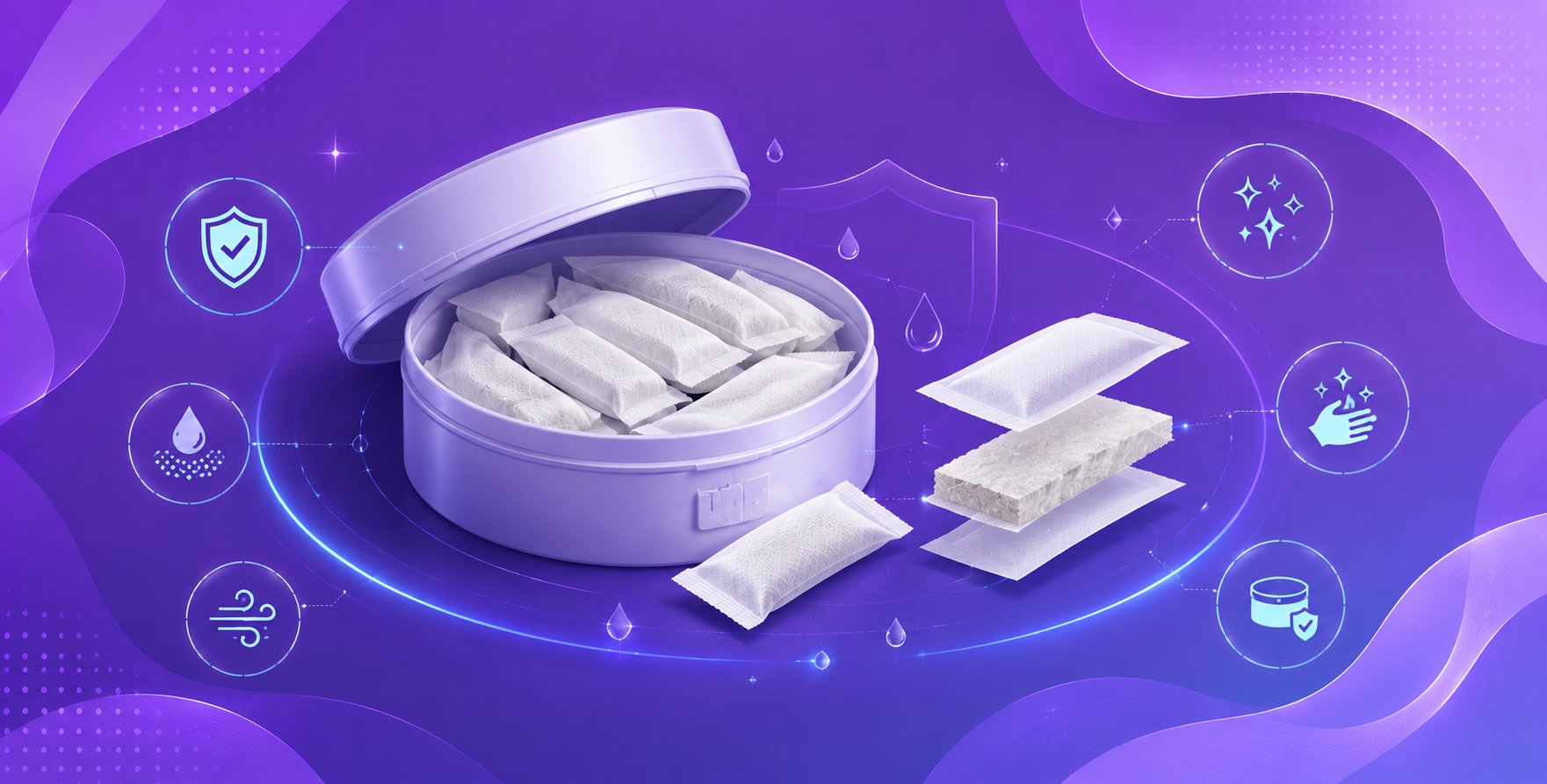
For adults 21+ only. Nicotine pouches contain nicotine, a highly addictive chemical, and are not for sale to minors. This article is for general informational purposes and is not a substitute for advice from a dentist, doctor, or other qualified healthcare professional.
Nicotine pouches have become increasingly visible in the smoke-free nicotine market, with more brands, flavors, and product strengths available to adult consumers. Because these products are placed between the lip and gum, basic hygiene, storage, handling, and oral-care habits are worth paying attention to.
According to the Centers for Disease Control and Prevention (CDC), nicotine from these products is absorbed through the gums and lining of the mouth. Researchers are still learning about the short- and long-term health effects of nicotine pouch use, so hygiene practices should complement—not replace—professional oral-health guidance.
Why Hygiene Matters
A nicotine pouch stays in direct contact with the inside of the mouth during use. That makes clean handling important, particularly because hands can pick up germs from frequently touched surfaces before touching the pouch.
Simple hygiene habits can help you:
- Reduce unnecessary transfer of dirt or germs from your hands to the pouch.
- Keep unused pouches protected from contamination.
- Maintain cleaner tins, bags, and storage areas.
- Notice oral irritation or product changes earlier.
These habits don't require a complicated routine. Consistent hand hygiene, proper storage, careful handling, and regular oral care cover most of the basics.
Start With Clean Hands
Hands regularly come into contact with phones, door handles, keyboards, public surfaces, and other objects that may carry germs. Washing your hands before handling something that will go into your mouth is a simple precaution.
- Wash your hands with soap and water before opening a tin or handling a pouch when practical.
- If soap and water aren't available, the CDC recommends using a hand sanitizer containing at least 60% alcohol.
- If your hands are visibly dirty or greasy, use soap and water rather than relying on sanitizer alone.
CDC guidance notes that washing with soap and water is the best way to remove germs in most situations, while alcohol-based hand sanitizer is a useful alternative when handwashing isn't available.
Store Pouches Carefully
The original product container is generally the simplest place to keep unused pouches because it helps keep them together and protected between uses. Products such as Thursday Nicotine Pouches are sold in dedicated cans, so keeping unused pouches in their original packaging is a practical way to reduce unnecessary handling. Storage instructions can vary by brand, so always check the packaging or manufacturer guidance when available.
- Close the container after removing a pouch.
- Avoid carrying unused pouches loose in pockets, bags, or drawers where they can pick up dirt or debris.
- If you transfer pouches to another container, make sure it is clean, dry, and suitable for storing the product.
- Follow the manufacturer's recommended storage conditions and keep the product away from excessive heat or moisture.
- Keep all nicotine products securely out of reach of children and pets.
Nicotine pouches are personal-use products, so sharing individual pouches isn't recommended from a basic hygiene standpoint.
Handle Each Pouch Carefully
Good handling mainly means minimizing unnecessary contact with unused pouches and keeping the inside of the container clean and dry.
- Dry your hands after washing before reaching into the container.
- Take out only the pouch you intend to use.
- Avoid returning a pouch to the container after it has been placed in your mouth.
- Wash your hands after handling used pouches, especially before preparing or eating food.
Packaging and pouch formats can also vary from one brand to another. For example, EOS Nicotine Pouches come in multi-can packs, which makes it useful to keep each can closed until needed and avoid transferring unused pouches into loose storage.
Don't Skip Oral Care
Because nicotine pouches sit against the gums and oral lining, regular dental hygiene is especially important. Research into the long-term oral effects of nicotine pouches is still developing, so persistent changes in the gums or mouth shouldn't simply be ignored.
- Brush your teeth twice a day with fluoride toothpaste.
- Clean between your teeth regularly with floss or another interdental cleaner.
- Follow your dentist's recommendations for routine dental checkups.
- Pay attention to persistent redness, soreness, swelling, lesions, or other changes where you commonly place pouches.
If irritation or other oral symptoms persist, stop using the product in that area and speak with a dentist or healthcare professional rather than trying to work around the symptoms.
Dispose of Used Pouches Responsibly
Used nicotine pouches should be disposed of promptly and kept away from children and animals. Residual nicotine may remain in a used pouch, so it should not be treated like ordinary food waste.
- Use the disposal compartment built into the container if one is provided.
- Otherwise, place the used pouch securely in household trash where children and pets cannot access it.
- Do not leave used pouches in public areas, vehicles, open bags, or outdoor spaces.
- Follow any disposal instructions printed on the product packaging.
Frequently Asked Questions
Can nicotine pouches become unsuitable to use?
Yes. Like other packaged consumable products, pouches can change if they are stored improperly or kept beyond the manufacturer's recommended period. If a pouch looks damaged, discolored, unusually wet or dry, or has an unexpected odor, it's safer not to use it. Check the packaging for storage and freshness instructions.
How should I clean a reusable pouch container?
If you're reusing a separate container, clean it according to the container manufacturer's instructions and allow it to dry completely before adding unused pouches. Avoid leaving cleaning-product residue inside any container that will directly contact the pouches.
Should nicotine pouches be stored in the refrigerator?
Storage recommendations can vary between brands, so there isn't one universal rule. Follow the instructions printed on the product packaging or provided by the manufacturer rather than assuming refrigeration is necessary.
The Bottom Line
Nicotine pouch hygiene doesn't need to be complicated. Wash your hands before handling pouches, keep unused products in a clean and properly closed container, avoid unnecessary contact with unused pouches, maintain regular oral hygiene, and dispose of used pouches promptly.
Most importantly, remember that hygiene doesn't make nicotine pouch use risk-free. Nicotine is highly addictive, and the CDC notes that scientists are still learning about the short- and long-term health effects of these products.
Sources & Further Reading
- Centers for Disease Control and Prevention (CDC) — Nicotine Pouches
- Centers for Disease Control and Prevention (CDC) — Hand Sanitizer Guidelines
- U.S. Food and Drug Administration (FDA) — Nicotine and Addiction
- U.S. Food and Drug Administration (FDA) — Authorized Nicotine Pouch Products
Nicotine is highly addictive. Nicotine pouches are not risk-free, and people who do not currently use nicotine or tobacco products should not start. Keep nicotine products away from children and pets. If you experience persistent gum irritation, mouth sores, or other concerning symptoms, stop use and consult a qualified healthcare professional.