 United States
Vape Charging Cable Problems: Signs of Wear and Safe Replacement
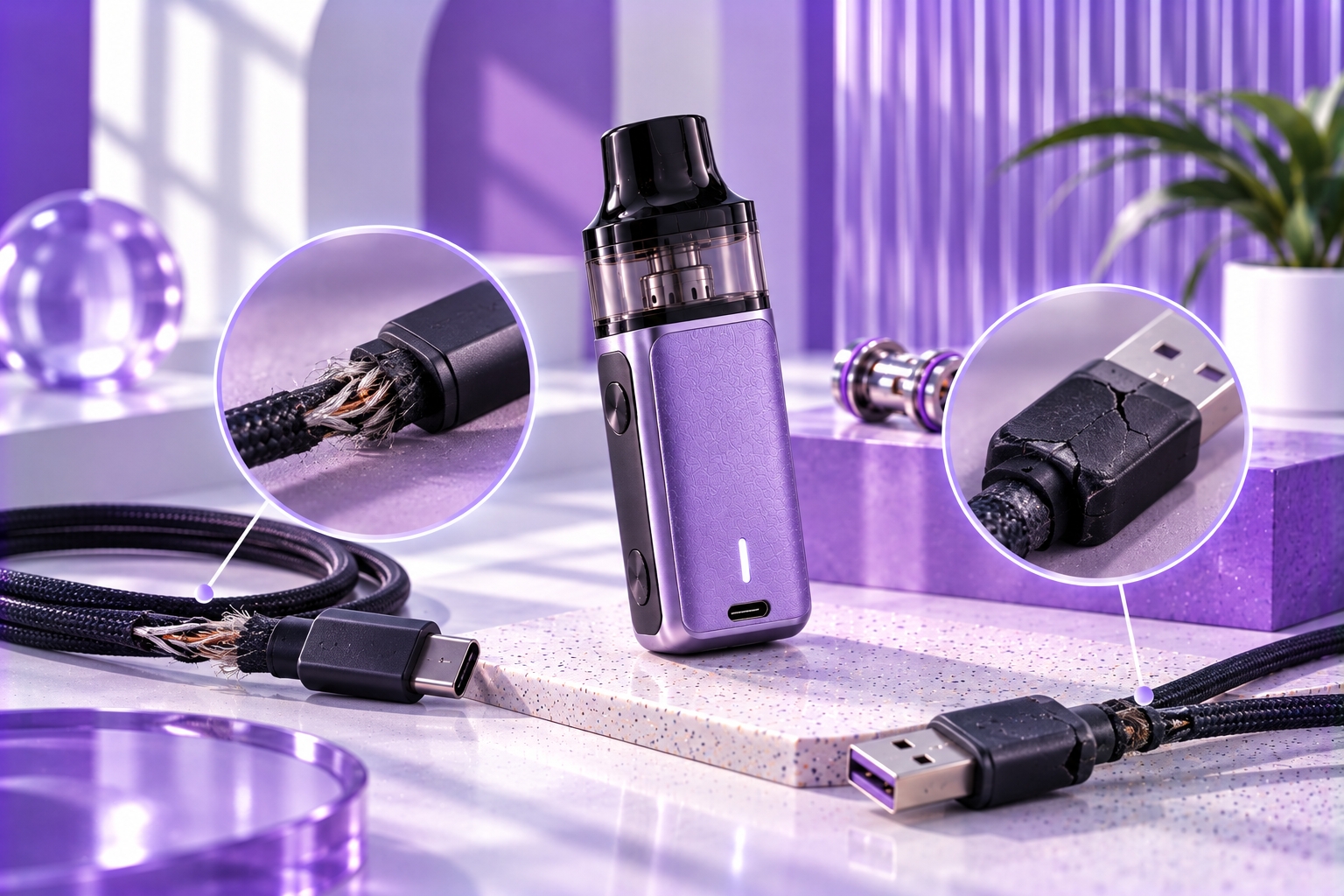
Safety Note: Stop using a charging cable if it has exposed wiring, damaged connectors, melting, unusual heat, or visible electrical damage. Do not attempt to repair damaged charging cables with tape or improvised modifications.
A vape that charges inconsistently does not always have a damaged battery or charging port. Sometimes, the charging cable itself may be responsible for interrupted charging, unreliable connections, or failure to deliver power.
Charging cables experience repeated bending, plugging, unplugging, and everyday handling. Over time, these activities can weaken internal conductors or damage connectors, even when the cable appears normal externally.
Understanding common vape charging cable problems can help users recognize potential accessory issues, avoid unsafe charging practices, and determine when replacement is appropriate.
Common Signs of Vape Charging Cable Problems
Intermittent Charging
A charging connection that repeatedly starts and stops may indicate a damaged cable, loose connector, or problem with the device's charging port. If charging only works when the cable is held at a particular angle, discontinue use rather than repeatedly bending or forcing the connection.
Visible Cable Damage
Common warning signs include:
- Frayed or exposed wiring
- Cracked or split insulation
- Bent or deformed connectors
- Discoloration or melting
- Damaged strain relief near the connector
These conditions may compromise the cable's electrical integrity. Replacing a damaged cable is safer than attempting to continue using it.
Unusual Heat During Charging
Some warmth may occur during normal charging, but excessive heat, a burning smell, smoke, or melting indicates a potential safety hazard. Disconnect the charging equipment if it is safe to do so and discontinue use of the affected accessories.
Charging Works With One Cable but Not Another
If a device charges normally with one compatible, undamaged cable but not another, the original cable may be faulty. However, this comparison is not a definitive diagnosis because the power adapter, charging port, and internal charging electronics may also affect charging behavior.
Common Causes of Charging Cable Damage
Repeated Bending
Frequent bending near the connector can weaken internal conductors and strain relief components. This may eventually result in an unreliable electrical connection.
Pulling the Cable Instead of the Connector
Removing a charging cable by pulling on the cord places unnecessary stress on the connection between the wire and connector. Holding the connector when disconnecting helps reduce this strain.
Improper Storage
Tightly wrapping, twisting, crushing, or storing cables beneath heavy objects can contribute to premature wear and damage.
Moisture and Contamination
Exposure to liquids, dirt, and corrosion may interfere with electrical connections. Wet or contaminated charging equipment should not be used.
Safe Ways to Check a Vape Charging Cable
Before replacing a charging cable, users can perform a few basic external checks without opening or modifying electrical components.
- Disconnect the charging equipment from its power source.
- Inspect the cable and connectors for visible damage.
- Confirm that the connector type matches the device's charging port.
- Review the manufacturer's charging instructions.
- If permitted by the manufacturer, try a known-good compatible cable.
Avoid testing exposed conductors, opening connectors, forcing plugs into ports, or continuing to use damaged accessories. If charging remains unreliable, the problem may involve the charging port, battery, or internal electronics.
Persistent charging problems may require further evaluation. For related symptoms, the existing slow charging troubleshooting and charging port problems articles provide additional context about other possible causes.
Choosing a Suitable Replacement Charging Cable
A replacement cable should match the device's connector and comply with the manufacturer's charging recommendations.
- Connector type: Confirm whether the device uses USB-C, Micro-USB, or another connection.
- Manufacturer requirements: Follow the device's documented charging instructions.
- Cable condition: Select an undamaged cable from a reputable supplier.
- Build quality: Look for secure connectors, intact insulation, and durable strain relief.
A connector that physically fits does not guarantee that every charger or charging setup is appropriate for a particular device.
Charging Cable Problems vs. Charging Port Problems
Cable problems and charging port problems can produce similar symptoms, including intermittent charging and connection failures.
| Observation | Possible Explanation |
|---|---|
| Cable has visible fraying or damage | Cable damage; discontinue use |
| One compatible cable works while another does not | Possible cable-related issue |
| Multiple suitable cables fail with the same device | Possible charging port or internal device issue |
| Charging port is visibly damaged or loose | Possible port damage requiring manufacturer support |
These observations are not conclusive diagnostic tests. Stop charging a device with a damaged, overheating, or unreliable port and contact the manufacturer.
Preventing Premature Charging Cable Wear
- Disconnect cables by holding the connector rather than the cord.
- Avoid sharp bends and tight wrapping.
- Keep charging accessories away from liquids.
- Store cables without crushing or twisting them.
- Inspect charging cables periodically for visible damage.
- Replace damaged accessories rather than attempting repairs.
Final Thoughts
Vape charging cable problems may result from repeated bending, damaged connectors, improper storage, or general wear. Recognizing visible damage and charging irregularities can help users avoid continued use of unsafe accessories.
When choosing a replacement, prioritize manufacturer compatibility, physical condition, and safe charging practices rather than appearance or connector fit alone.
Safety Reminder: If a cable, connector, or charging port shows signs of overheating, melting, exposed wiring, or electrical damage, stop using the affected equipment. Follow the manufacturer's instructions and seek qualified support when necessary.
Sources & Further Reading
- U.S. Food and Drug Administration – Vape Battery Safety
- Device manufacturer's official user manual and charging instructions for model-specific requirements.