 United States
Vape Maintenance 101: Keep Your Device Performing Like New
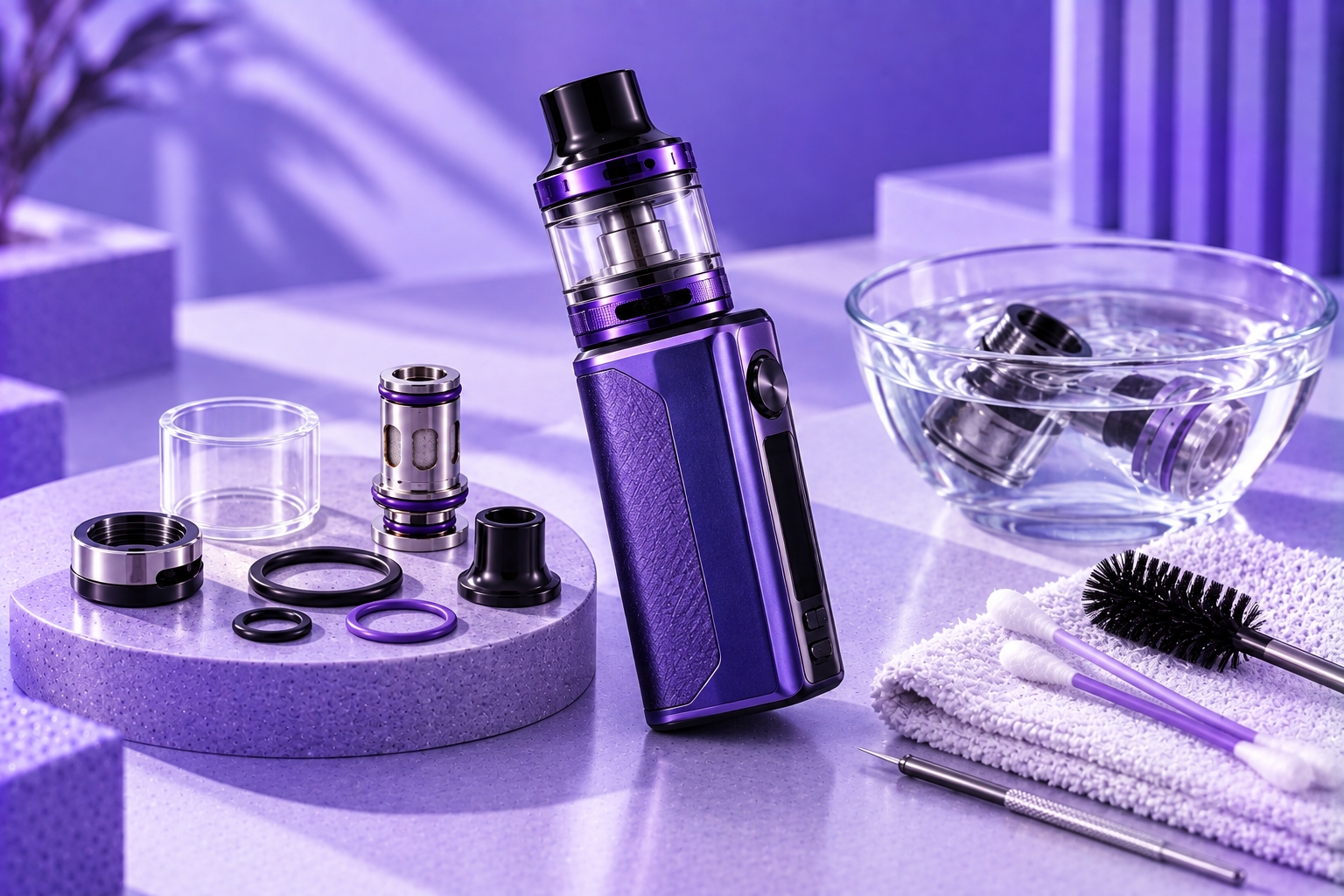
For adults 21+ only. Maintenance requirements vary by device. Always follow the manufacturer's instructions for coil or pod replacement, battery care, charging, cleaning, storage, and other device-specific procedures.
Keeping a vape performing consistently requires more than fixing problems after they appear. Routine vape maintenance means inspecting the parts that wear over time, keeping connections and airflow areas clear, replacing consumable components when necessary, and paying attention to changes in normal device behavior.
Whether you use a refillable pod system, tank-and-mod setup, or another reusable device, maintenance combines several ongoing tasks. Regular vape cleaning helps manage residue and condensation, while coil or pod condition, seals, connections, battery behavior, and storage also need attention over time.
What Does Vape Maintenance Include?
Vape maintenance is the routine of checking your device for residue, wear, damage, leaks, connection problems, and changes in performance. The exact routine depends on the device and its replaceable components.
A practical maintenance routine generally involves inspecting the device, cleaning compatible components when necessary, monitoring coils or pods, checking seals and connections, following appropriate battery and charging practices, and replacing worn parts instead of continuing to use them after performance deteriorates.
1. Inspect Your Vape Regularly
A quick visual inspection can reveal problems before they become harder to diagnose. Look over the device whenever you refill, replace a pod or coil, or notice a change in normal operation.
- Check for leaks: Look for e-liquid around the pod, tank base, airflow openings, or device connection.
- Inspect seals and O-rings: Cracked, stretched, missing, or incorrectly positioned seals can contribute to leaking.
- Check connection points: Condensation, residue, or debris can accumulate around pod contacts and threaded connections.
- Look for physical damage: Cracked pods, damaged tank glass, loose components, or damaged battery wraps require appropriate attention or replacement.
Cleaning can help when residue is the issue, but repeated leaking, connection problems, or visible damage may indicate that a component needs adjustment or replacement rather than another cleaning.
2. Keep Tanks, Pods, and Connections Clean
Residue and condensation around tanks, pods, mouthpieces, and connection points should be addressed as part of routine upkeep. The appropriate cleaning method depends on the component, since removable tank hardware and mouthpieces can require different handling from batteries, charging ports, and other electronics.
Clean compatible components when buildup, spills, restricted airflow, or flavor changes make it necessary. If residue repeatedly returns because a pod or tank is leaking, maintenance should focus on identifying the underlying leak rather than repeatedly cleaning the same area.
3. Monitor Coil and Pod Condition
Coils and many pods are consumable components. Their usable life varies with the hardware, e-liquid, power settings, frequency of use, and individual vaping pattern, so a fixed replacement schedule does not work for every setup.
Watch for changes that may indicate a coil or pod needs attention:
- Persistent burnt or unpleasant flavor
- Noticeably muted flavor
- Reduced vapor despite otherwise normal settings
- Visible deterioration of a replaceable pod or coil assembly
- Recurring performance problems that continue after basic troubleshooting
When installing a new coil, follow its manufacturer's priming and recommended operating instructions. A worn coil generally needs replacement rather than repeated attempts to restore it through cleaning.
4. Check Seals, O-Rings, and Tank Components
Reusable tanks rely on properly installed components to contain e-liquid. During routine maintenance, inspect accessible O-rings, seals, tank glass, threads, and other removable hardware for wear or damage.
If a seal is cracked, stretched, missing, or no longer seated correctly, replace it with a compatible part rather than overtightening the tank. Persistent leaking can also come from filling technique, coil installation, damaged hardware, or other device-specific causes.
5. Maintain Connections and Contact Points
Pod contacts and threaded connections can collect condensation or small amounts of e-liquid during normal use. Keeping compatible connection areas clean and dry helps distinguish residue-related connection problems from actual hardware faults.
Power the device off when appropriate before working around connection areas, and keep liquids away from charging ports and internal electronics. If contacts repeatedly become wet, identify the source of the leak rather than relying on repeated wiping alone.
6. Include Battery Condition in Your Maintenance Check
Battery condition is another part of routine maintenance. Inspect removable batteries, when applicable, for damaged wraps or other visible deterioration, and pay attention to unusual heat, swelling, charging problems, or changes in normal operation.
Proper battery safety also includes using compatible batteries and charging equipment, following manufacturer instructions, protecting batteries from extreme temperatures, and stopping use when damage or abnormal behavior appears.
The U.S. Food and Drug Administration recommends understanding the manufacturer's use and care instructions, using batteries recommended for the device, charging on a clean, flat surface away from easily combustible materials, and protecting vape batteries from extreme temperatures.
7. Store Your Device Properly
Storage conditions can affect both the device and its battery. Follow the manufacturer's storage recommendations and avoid leaving the device in locations exposed to extreme heat or cold.
Keep devices and nicotine-containing e-liquids where children and pets cannot access them. E-liquid containers should remain securely closed and stored according to their product instructions.
8. Know When Maintenance Becomes Replacement
Maintenance cannot restore every worn or damaged component. Continuing to clean or adjust a part that is physically damaged can delay the actual fix.
Replacement or manufacturer guidance may be necessary when you find:
- Cracked tank glass or pods
- Damaged or badly worn seals
- Persistent coil problems after normal replacement or setup checks
- Damaged removable battery wraps or other visible battery damage
- Loose or damaged connections
- Charging problems, abnormal heat, swelling, or other unusual battery behavior
Stop using a battery or device if its condition raises a safety concern, and follow manufacturer guidance for handling, replacement, or disposal.
Common Vape Maintenance Mistakes
A good maintenance routine is also about avoiding habits that can make troubleshooting harder or allow worn components to remain in use.
- Treating every problem as dirt: Cleaning cannot repair a worn coil, cracked pod, damaged seal, or faulty battery.
- Waiting for complete failure: Changes in flavor, leaking, connection behavior, or component condition can indicate that inspection is needed.
- Using a universal replacement schedule: Coil and pod life varies by device and usage conditions.
- Ignoring manufacturer instructions: Charging, cleaning, disassembly, and replacement procedures differ between devices.
- Continuing to use visibly damaged components: Damaged batteries, pods, tanks, and connections should be addressed rather than treated as normal wear.
A Simple Vape Maintenance Routine
Instead of following a rigid calendar, build maintenance around regular observation and the requirements of your specific device.
- During normal use: Pay attention to leaking, unusual heat, charging behavior, flavor changes, and connection problems.
- When refilling: Check accessible seals, the pod or tank, connection areas, and visible residue.
- When changing a coil or pod: Inspect the surrounding hardware and clean compatible areas if needed.
- Before charging: Check the device, charging port, cable, and battery condition and follow the manufacturer's charging instructions.
- Before longer storage: Follow the manufacturer's storage recommendations and protect the device from extreme temperatures and accidental activation.
Final Thoughts
Effective vape maintenance is less about constantly taking the device apart and more about recognizing what needs attention. Keep compatible components clean, inspect seals and connections, monitor coil or pod condition, follow appropriate battery practices, and replace worn or damaged components when necessary.
Regular inspections also make troubleshooting more precise because residue, normal component wear, leaking, connection problems, and battery-related concerns require different solutions.
Sources & Further Reading
- U.S. Food & Drug Administration — Tips to Help Avoid Vape Battery Fires or Explosions
- U.S. Food & Drug Administration — How to Properly Store E-Liquids and Prevent Accidental Exposure
Stop using a device or battery that shows signs of significant physical damage, swelling, abnormal heat, or other unusual behavior. Follow the manufacturer's instructions for inspection, replacement, charging, and disposal.