 United States
Why Is My Vape Not Producing Vapor? What to Check First
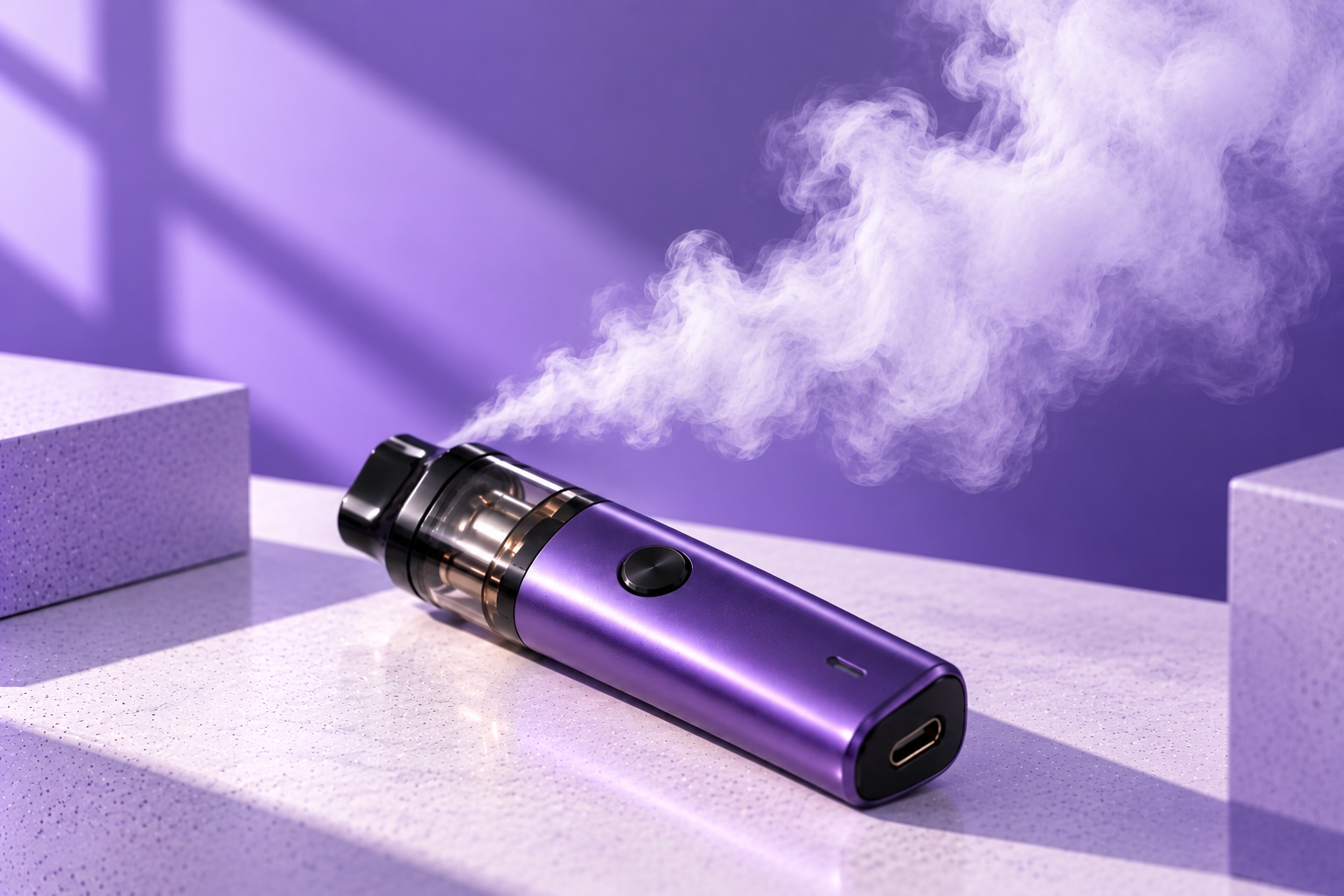
This guide focuses on devices that respond, light up, or power on but produce little or no vapor. Device behavior varies by model, so use the manufacturer's instructions when interpreting warnings, coil requirements, and protection functions.
Your vape powers on. The screen or LED responds. The battery appears to have charge—but little or no vapor comes out.
When the device still responds, the problem is often somewhere between activation and the heating element. The coil may not be making proper contact, the device may not recognize the installed coil, e-liquid may not be reaching the wick correctly, or the device may be preventing the coil from firing.
Instead of replacing parts immediately, start with what the device does when you try to use it. That can quickly narrow down what to check next.
Start Here: Does the Device Respond?
Press the fire button or take a normal draw and watch the device. Does the screen activate? Does an LED illuminate? Does the display show resistance, battery level, or an error?
If the device responds normally but produces no vapor, continue with the coil and connection checks below. If it does not respond at all, confirm that it is switched on or unlocked and has sufficient battery power.
A device that also refuses to accept power may have a separate charging issue rather than a problem limited to vapor production.
Check the Coil and Connection First
For a device that powers on but does not produce vapor, the coil connection is one of the most useful places to start. The heating element needs stable electrical contact with the device before it can activate.
Power the device off before handling removable components. Check that the pod, tank, and replaceable coil are seated correctly and that accessible electrical contacts are clean and dry.
Pay attention to the screen while attempting to fire. A No Atomizer warning narrows the problem toward coil detection, contacts, installation, or the connection between the tank or pod and device.
If reseating the component restores normal vapor immediately, poor contact was more likely than a failed battery or device.
Is the Coil Compatible With the Device?
A coil that fits physically is not automatically compatible. The coil series, dimensions, electrical contacts, resistance, and supported operating range must match the tank, pod, and device.
This becomes especially important when the no-vapor problem begins immediately after installing a replacement. Puffin's coil compatibility guide covers how physical fit, electrical contact, and supported resistance determine whether a replacement can work correctly.
Do not force a coil or pod into place simply because it looks similar to the original. Verify the exact coil series against the manufacturer's specifications.
Is E-Liquid Reaching the Coil?
Electrical contact alone is not enough. E-liquid must also reach the wick surrounding the heating element.
Check the liquid level and make sure the wick openings are not sitting above the remaining e-liquid. With a newly installed coil, allow the wick to become properly saturated before normal use.
Avoid repeatedly firing a coil that appears dry. If the heating element activates without enough liquid reaching the wick, the material can scorch and produce a burnt taste instead of solving the original problem.
Does the Coil Still Heat Properly?
If the connection and e-liquid supply appear normal, consider the condition of the coil itself.
Coil performance can deteriorate over time. Weakening vapor, muted flavor, slower heating, inconsistent performance, or burnt taste can appear as the heating element and wick age.
These changes are better evaluated as part of overall coil lifespan rather than assuming that every no-vapor problem requires immediate replacement.
If a compatible replacement restores normal operation while the rest of the setup remains unchanged, the previous coil was likely contributing to the problem.
For Auto-Draw Vapes, Check Activation
Draw-activated devices introduce another possibility: the device may have power and a working coil, but the activation system is not detecting the inhale correctly.
These devices typically rely on airflow or pressure changes to trigger firing. Condensation, residue, restricted airflow, poor pod seating, or a sensor problem can interfere with auto-draw activation.
Check accessible airflow openings for obvious blockage and make sure the pod is seated correctly. Avoid inserting sharp objects into internal airflow channels or sensors.
If the device has both auto-draw and button firing and only one method works, that difference can help narrow the problem toward the activation system rather than the coil itself.
What If the Battery Is Charged but It Still Won't Produce Vapor?
A working screen or LED does not necessarily mean the device will allow the coil to fire. Regulated devices can interrupt output when their electronics detect an operating condition outside the supported range.
Depending on the model, device protections may respond to conditions such as low voltage, abnormal resistance, short circuits, temperature limits, or other device-specific faults.
This is why a warning message or LED pattern matters. Instead of repeatedly attempting to fire the device, identify the displayed warning and compare it with the manufacturer's instructions for that exact model.
Quick Diagnosis: What Is Your Vape Doing?
| What You Notice | Check First |
|---|---|
| Device responds but produces no vapor | Coil connection |
| No Atomizer appears | Coil, contacts, pod or tank connection |
| Problem started after changing coils | Compatibility and installation |
| Vapor became weaker before stopping | Coil condition |
| Auto-draw does not activate | Airflow, pod seating, sensor |
| Warning appears when firing | Manufacturer-defined protection |
| Device will not charge either | Charging system |
When to Stop Troubleshooting
A no-vapor problem caused by poor contact, incorrect installation, or a worn coil can often be narrowed down without opening the device. Internal electrical problems should be treated differently.
Stop using the device if it becomes unusually hot, activates unpredictably, has visible battery damage or swelling, produces an unusual electrical or burning odor, or continues displaying serious electrical warnings after compatible components have been checked.
Do not open a sealed device or attempt to repair its battery or internal electronics as part of routine no-vapor troubleshooting.
Bottom Line
If your vape powers on but produces little or no vapor, start with the coil connection. From there, confirm compatibility, check that e-liquid is reaching the wick, consider the condition of the coil, and determine whether the activation system is actually triggering the device.
Any warning shown during firing can narrow the diagnosis further. No Atomizer, charging failure, auto-draw problems, and worn coils each have their own troubleshooting paths, while this guide remains focused on the broader symptom of a responsive device producing little or no vapor.
Sources & Further Reading
- Vaporesso — Vape FAQ & Troubleshooting
- Geekvape — Product FAQ & Troubleshooting
- SMOK — Device FAQ & Troubleshooting
Warning messages, coil requirements, activation systems, and protection behavior vary by manufacturer and model. Use the documentation for your exact device when troubleshooting manufacturer-specific behavior.