 United States

Why Is My Vape Pod Fill Plug Loose? Seal Wear and Leakage Signs
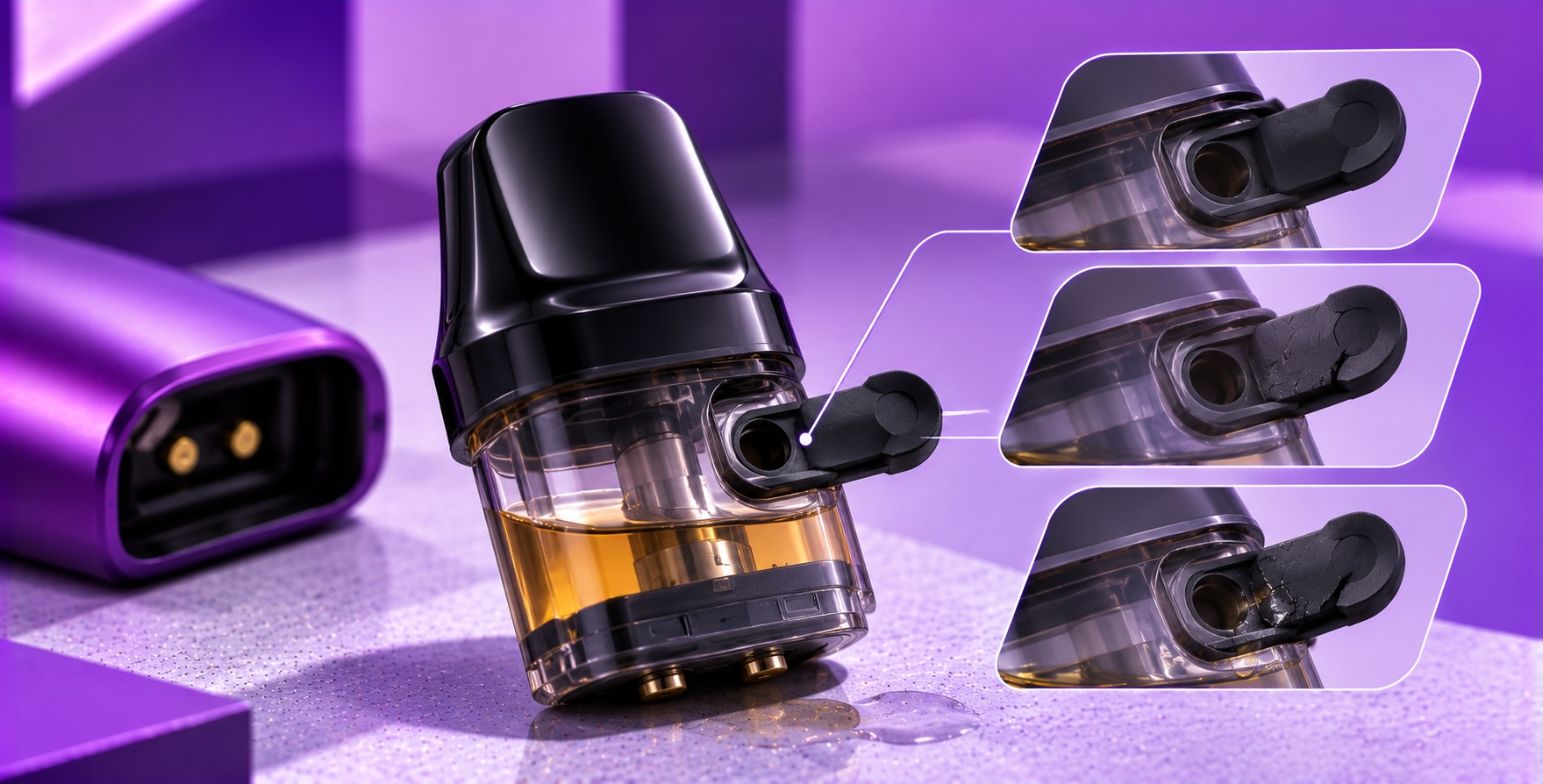
The small silicone plug on a refillable vape pod may not look particularly important, but it serves a specific purpose: closing the filling opening after e-liquid has been added. If the plug becomes loose, stops sitting flush, or repeatedly opens during handling, the fill port may no longer be sealing as intended.
A loose vape pod fill plug can develop gradually through repeated handling or appear suddenly after the plug is stretched, pulled incorrectly, or damaged. However, not every flexible plug is defective. Some designs naturally have a soft or movable tab, so the important distinction is whether the sealing portion still fits the opening correctly.
This guide focuses on fill-plug wear, closure problems, visible damage, and safe replacement decisions rather than general pod leakage.
Quick Verdict: A loose vape pod fill plug may be caused by a stretched silicone stopper, damaged attachment tab, residue around the filling opening, or deformation of the pod housing. If the plug cannot close evenly or repeatedly opens on its own, do not rely on improvised repairs. Follow the manufacturer's instructions and replace the compatible pod or approved seal component when necessary.
What Does a Vape Pod Fill Plug Actually Do?
Many refillable pod systems use a silicone stopper to close the opening through which e-liquid enters the reservoir. Depending on the design, the stopper may be attached to the pod by a flexible tab or integrated into a larger filling-port assembly.
The plug is intended to sit securely in its designated opening. Its shape and fit help prevent liquid from escaping through the fill port during normal handling.
For example, the official Innokin Coolfire PZPulse manual instructs users to open the silicone filling plug and press it firmly back into position after filling. This demonstrates why correct closure matters, although other pod systems may use different filling mechanisms.
Why Does a Vape Pod Fill Plug Become Loose?
1. Repeated Opening and Closing
A refillable pod's fill plug is handled whenever the reservoir needs to be refilled. Repeated movement may eventually affect flexible material or the small attachment features that hold the plug in place.
This does not mean every silicone stopper will loosen after a certain number of refills. Durability depends on the material, shape, manufacturing design, and how the plug is handled.
2. Stretching the Silicone Tab
Some plugs have a thin silicone tab that allows the stopper to be lifted without separating completely from the pod. Pulling the tab too far or using excessive force may stretch or tear this section.
A stretched tab is not always the same as a failed seal. However, if the stopper itself no longer aligns with the fill opening or repeatedly lifts out of position, the closure may be compromised.
3. E-Liquid Residue Around the Fill Port
E-liquid left around the filling opening can make it harder to tell whether the plug is completely seated. Residue may also make the exterior slippery or sticky during handling.
If the stopper appears intact but does not sit correctly, inspect the accessible fill-port area for visible liquid or debris. Use only the cleaning method recommended for that pod model.
4. Damage to the Plug or Filling Opening
A torn stopper, cracked filling-port edge, or deformed pod housing can prevent the closure from fitting as designed. Even if the silicone plug looks undamaged, a problem with the opening itself may affect how securely it closes.
A pod that has been dropped or squeezed should be inspected for damage to both the stopper and the surrounding plastic.
5. Incorrect Closure After Refilling
Sometimes a plug appears loose simply because it was not fully seated after refilling. A flexible tab can lie flat against the pod while the actual sealing portion remains partly outside the opening.
Manufacturer instructions should be used to determine how the plug is meant to close. Do not force it into an unfamiliar position or apply excessive pressure to a damaged pod.
How to Tell Whether the Fill Plug Is Worn or Just Flexible
A flexible silicone tab is normal on many refillable pods. The concern is whether the stopper continues to seal the filling opening as intended.
| What You Notice | Possible Explanation | Recommended Check |
|---|---|---|
| Tab bends easily but stopper stays seated | May be normal flexibility | Compare with the manual |
| Stopper no longer sits flush | Incomplete closure or deformation | Inspect alignment and visible residue |
| Plug repeatedly lifts out | Possible loss of fit | Stop using the affected pod |
| Silicone is torn or attachment tab is broken | Physical damage | Check approved replacement options |
| Liquid repeatedly appears around fill port | Possible closure or reservoir leak | Inspect plug and pod housing |
These observations are general troubleshooting indicators, not a universal test for every refillable pod. The exact fill-port design determines what normal closure looks like.
Can a Loose Silicone Fill Plug Cause a Pod to Leak?
Yes. If the stopper no longer seals the filling opening, e-liquid may escape through that area, particularly when the pod is tilted or handled. However, liquid around the pod does not automatically mean the fill plug is defective.
Other possible causes include an overfilled reservoir, a cracked pod shell, incorrectly installed components, or condensation near the airflow path.
Innokin's manufacturer troubleshooting guide identifies proper stopper closure, filling practices, and component alignment as important checks when investigating leaking pods.
For a broader diagnosis involving the reservoir, coil, or pod connection, Puffin's pod leaking guide covers those separate causes in more detail.
How to Inspect a Loose Vape Pod Fill Plug Safely
Step 1: Stop Using the Pod Temporarily
If the fill plug is not closing securely, stop using the affected pod while inspecting it. Turn off or lock the device where supported, and disconnect any charging cable.
Step 2: Remove the Pod According to Its Instructions
If the cartridge is designed to be removable, take it out using the manufacturer's recommended method. Do not twist, pry, or force a pod that is not intended to be removed that way.
Step 3: Inspect the Silicone Stopper
Look for visible tears, stretched sections, deformation, or damage where the stopper attaches to the pod. Check whether the sealing portion appears intact and aligned with the fill opening.
Step 4: Check the Filling-Port Area
Inspect the accessible opening and surrounding plastic for residue, cracks, or other visible damage. If external cleaning is permitted, follow the manufacturer's instructions and keep liquid away from the battery section.
Step 5: Confirm the Correct Closure Method
Use the official manual to determine how the stopper should sit after filling. If the plug is intact and the manufacturer permits normal reseating, close it as instructed without forcing it.
Step 6: Replace a Damaged Component
If the plug is torn, cannot remain closed, or the surrounding fill port is damaged, check whether the manufacturer provides an approved replacement. Many pod designs require replacing the complete cartridge rather than repairing the stopper separately.
Safety Warning: Do not use glue, tape, improvised silicone pieces, or unrelated rubber plugs to close a damaged fill port. Do not continue using a pod that leaks into the device's electrical connection area. If liquid has entered the battery housing, stop using and charging the device and seek manufacturer guidance.
Should You Replace the Silicone Plug or the Entire Pod?
The correct replacement depends on the manufacturer's design. Some refillable systems may offer approved replacement sealing components, while many use integrated fill plugs that are not intended to be replaced separately.
Replacing the entire pod is generally the safer option when the stopper is permanently attached, the fill opening is damaged, or no manufacturer-approved replacement plug is available.
Do not assume that a silicone plug from another cartridge will fit correctly just because its shape looks similar. Dimensions, flexibility, and retention features can differ between pod models.
How to Reduce Fill-Plug Wear
Careful handling can help reduce unnecessary stress on a refillable pod's filling mechanism, although it cannot eliminate normal material aging.
- Open the fill plug using the method shown in the device manual.
- Avoid pulling or stretching the silicone tab beyond its intended movement.
- Keep the filling opening and accessible surrounding surfaces free of residue.
- Close the stopper fully according to the manufacturer's instructions.
- Do not force a stopper that appears misaligned or damaged.
- Inspect the plug when refilling and replace damaged hardware promptly.
There is no universal number of refills after which every silicone plug must be replaced. The condition of the component and the manufacturer's guidance are more useful than an arbitrary replacement schedule.
What if the Pod Still Leaks After the Plug Is Closed?
If the stopper appears secure but liquid continues escaping, the leak may originate elsewhere. Inspect the pod shell for cracks and confirm that the cartridge has been filled and assembled correctly.
Liquid reaching the electrical contacts can also produce symptoms unrelated to the fill plug itself. Puffin's pod connection troubleshooting guide explains how moisture and contact problems can affect device recognition.
Persistent leakage should not be addressed by repeatedly forcing the stopper into place. Replace the affected pod or consult the manufacturer when the cause cannot be resolved through approved checks.
Frequently Asked Questions
Why won't my vape pod silicone plug stay closed?
The stopper may be incorrectly seated, stretched, torn, or no longer fitting the fill opening as designed. Residue or damage around the opening can also interfere with closure. Check the official filling instructions and replace damaged components.
Can I replace only the rubber plug on my vape pod?
Only if the manufacturer supplies or approves a replacement for that exact pod. Many refillable cartridges have integrated stoppers and require complete pod replacement when the fill-port closure fails.
Is a loose silicone tab the same as a broken seal?
No. A flexible tab may be normal, provided the sealing portion remains intact and securely closes the opening. A plug that repeatedly lifts out, appears torn, or no longer fits correctly is more concerning.
Can a loose fill plug make e-liquid leak into the device?
It can contribute to leakage if the opening is no longer sealed. Whether liquid reaches the device's connection area depends on the pod design, position, and location of the leak. Stop using the device if liquid has entered its electronics.
Can I glue a loose vape pod fill plug?
No. Glue or improvised adhesives are not an appropriate substitute for a manufacturer-approved seal. They may interfere with the filling mechanism or introduce unsuitable materials into the pod.
How long should a vape pod fill plug last?
There is no universal lifespan. Durability depends on the design, materials, handling, and maintenance. Replace the affected pod or approved component if the stopper becomes damaged or can no longer close properly.
Final Verdict
A loose vape pod fill plug does not always mean the pod is defective. Some silicone tabs are intentionally flexible, and a stopper that remains properly seated may be operating normally.
The important warning signs are a plug that no longer fits the opening, visible tears or deformation, repeated opening without adjustment, and liquid escaping from the fill port.
Use the manufacturer's filling instructions to confirm proper closure. If the stopper or surrounding housing is damaged, choose an approved replacement rather than attempting to rebuild or modify the seal.
Bottom Line: The condition of the sealing portion matters more than how flexible the tab feels. A damaged or unreliable fill-port closure should be replaced, not forced into continued use.
Technical References & Editorial Review
This article draws on manufacturer instructions for silicone filling plugs and published troubleshooting guidance for leaking refillable pods. It provides general, non-invasive inspection advice and does not claim hands-on testing of a specific pod model.
- Innokin — Coolfire PZPulse User Manual: silicone fill-plug operation and closure.
- Innokin — Why Is My Vape Leaking?: stopper closure, filling practices, and leak causes.
- Innokin — Klypse User Manual: secure fill-tab closure and keeping contacts clear of e-liquid.
Editorial Note: Prepared for adult readers of legal purchasing age. The article distinguishes normal plug flexibility from possible seal damage and prioritizes manufacturer-approved inspection and replacement procedures. Pod designs vary, so the official manual for the exact device takes precedence over general advice.
Prepared: November 4, 2026 | Editorial Review: Pending publication approval.